Emotion Awareness
Make sure that children understand and articulate their emotions in healthier ways.

Help Your Child Understand Feelings. Build Confidence. Grow Stronger.

Children may lack the words to describe their emotions. When children behave differently from what is expected of them, or when they display constant anger, anxiety, or withdrawal, or have school pressure, communication difficulties, and difficulty adapting to change, this means that they require emotional support.
Child counseling enables children to express themselves freely in a safe and supportive environment. The approach at EchoSoul is to comprehend the child and not just correct their behavior. Through proper assistance and child behavioral therapy, children will learn to identify their emotions, communicate effectively, cope with difficult reactions, and boost their self-esteem.
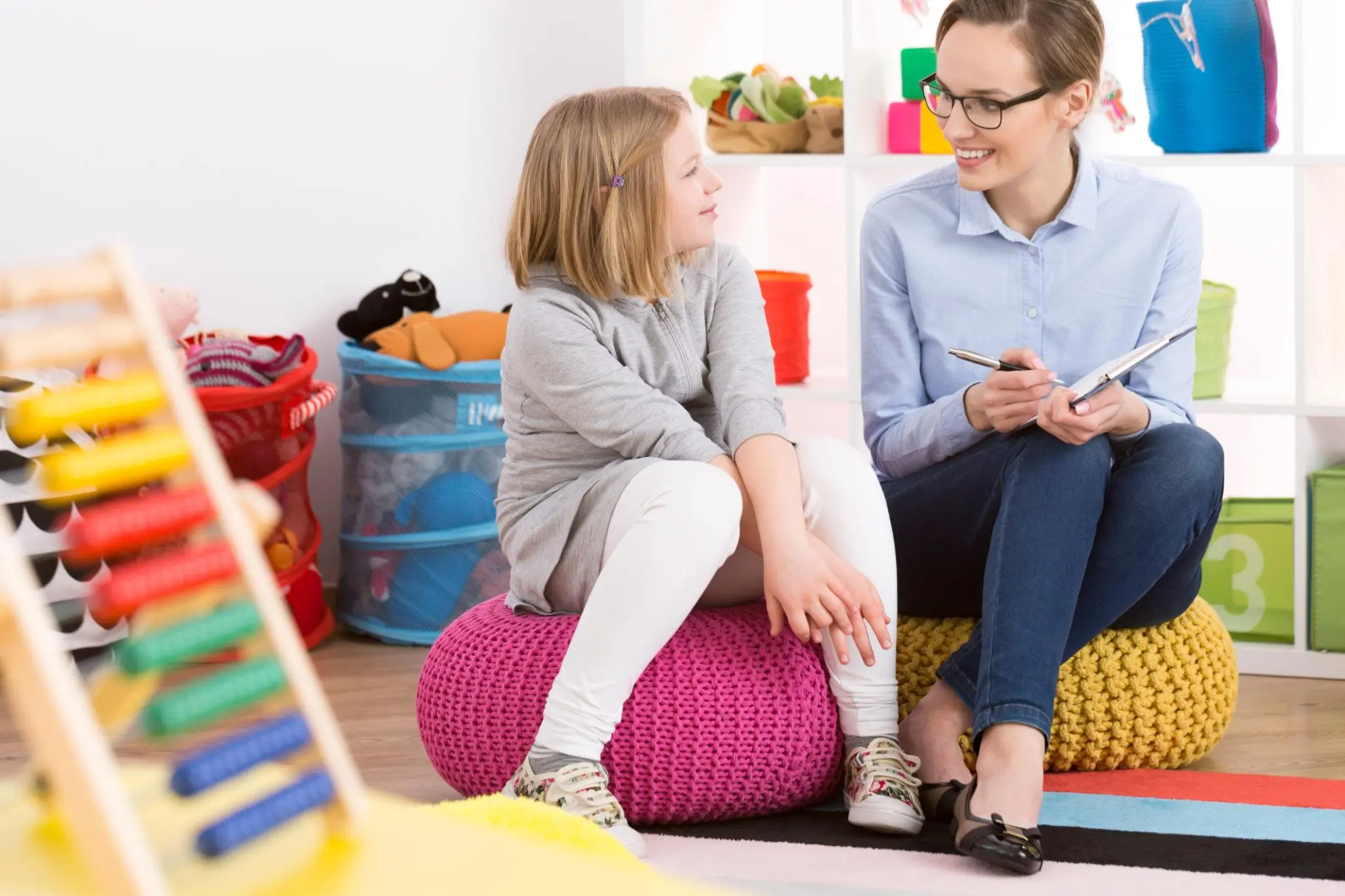
Every child handles problems in his/her unique way. While some children might become withdrawn or subdued, others might express themselves through temper tantrums, frustrations, emotional breakdowns, or altered routines.
Child counseling is useful for a child that displays:
Regular outbursts of anger or emotions
Struggle with frustration
Worry or anxiety
Struggles in emotional expression
Low self-esteem
Struggles with adjustments
Social struggles
School pressure
Behavioral changes at home or in school
Problems coping with difficulties
Early intervention will enable the child to develop an understanding of his/her emotions and healthy coping mechanisms before they start impacting other areas of his/her life.
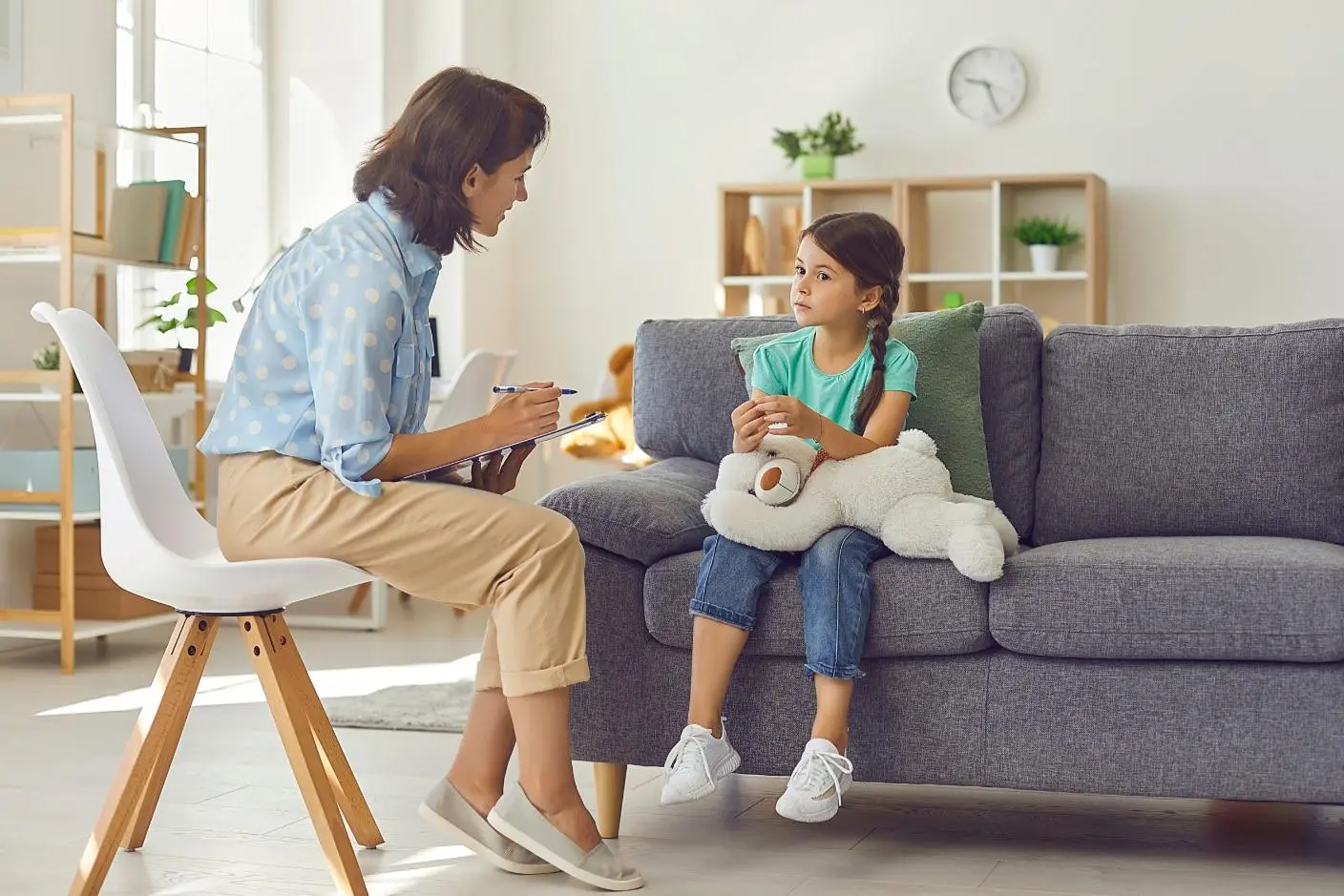
The behavior of a child can speak out on their behalf, before they have the ability to articulate themselves. Rather than analyzing the problem behavior in children, child behavioral therapy can consider what is going on beneath.
Through proper counseling, children can gradually develop the ability to:
understand and express emotions
identify what triggers bad behavior in them
adopt better coping strategies
communicate effectively
manage frustrations and angry outbursts
become more self-assured
adapt easily to changes
address daily challenges in a more positive way
The aim is not to create children who are identical but rather to help them get to know themselves and develop skills that help them emotionally and behaviorally.
Child psychologist aid both parents and children in addressing issues related to emotions, behaviors, friendships, and development. Each child expresses himself in a unique manner depending on his age, character, and experiences.
Make sure that children understand and articulate their emotions in healthier ways.
Identify behaviors and scenarios that could trigger difficult responses.
Learn about communicating and interacting with family, peers, teachers, and other people.
Help children recognize their strengths and build self-confidence gradually.
Learn practical skills for dealing with stress and other difficult emotions.
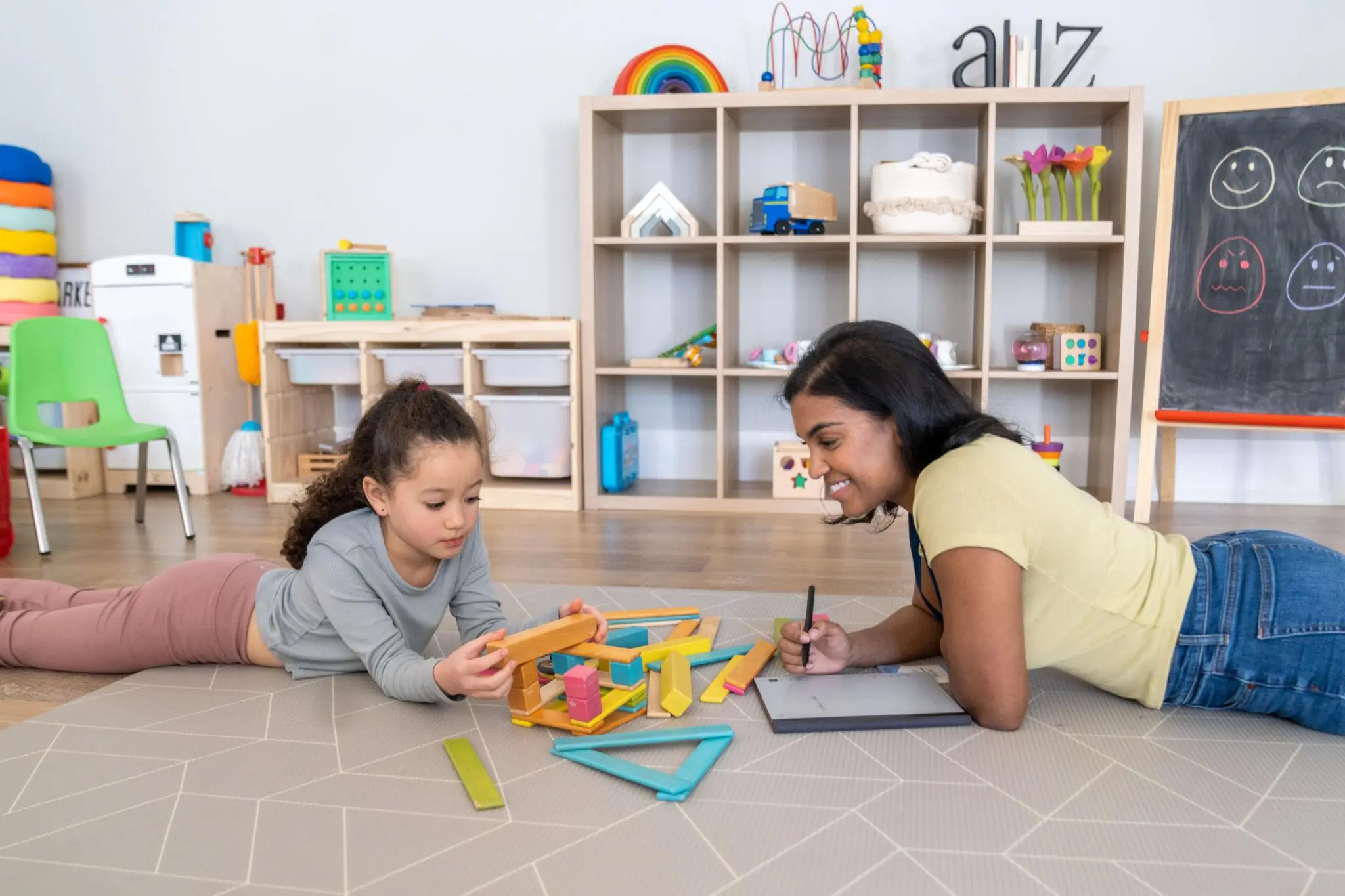
A child behavioral therapist makes children realize the connection between circumstances, emotions, thoughts, and actions. It will be effective where some behaviors repeatedly lead to problems in family life, education process, or relations with peers.
It is not only about focusing on the actions themselves but also about paying attention to:
what comes before the behavior
emotions that might be present
communication with people about their needs
situations where the child feels uncomfortable
proper way of reacting to the situation
In cooperation with an experienced professional, children will be able to react in a positive way to all kinds of circumstances.
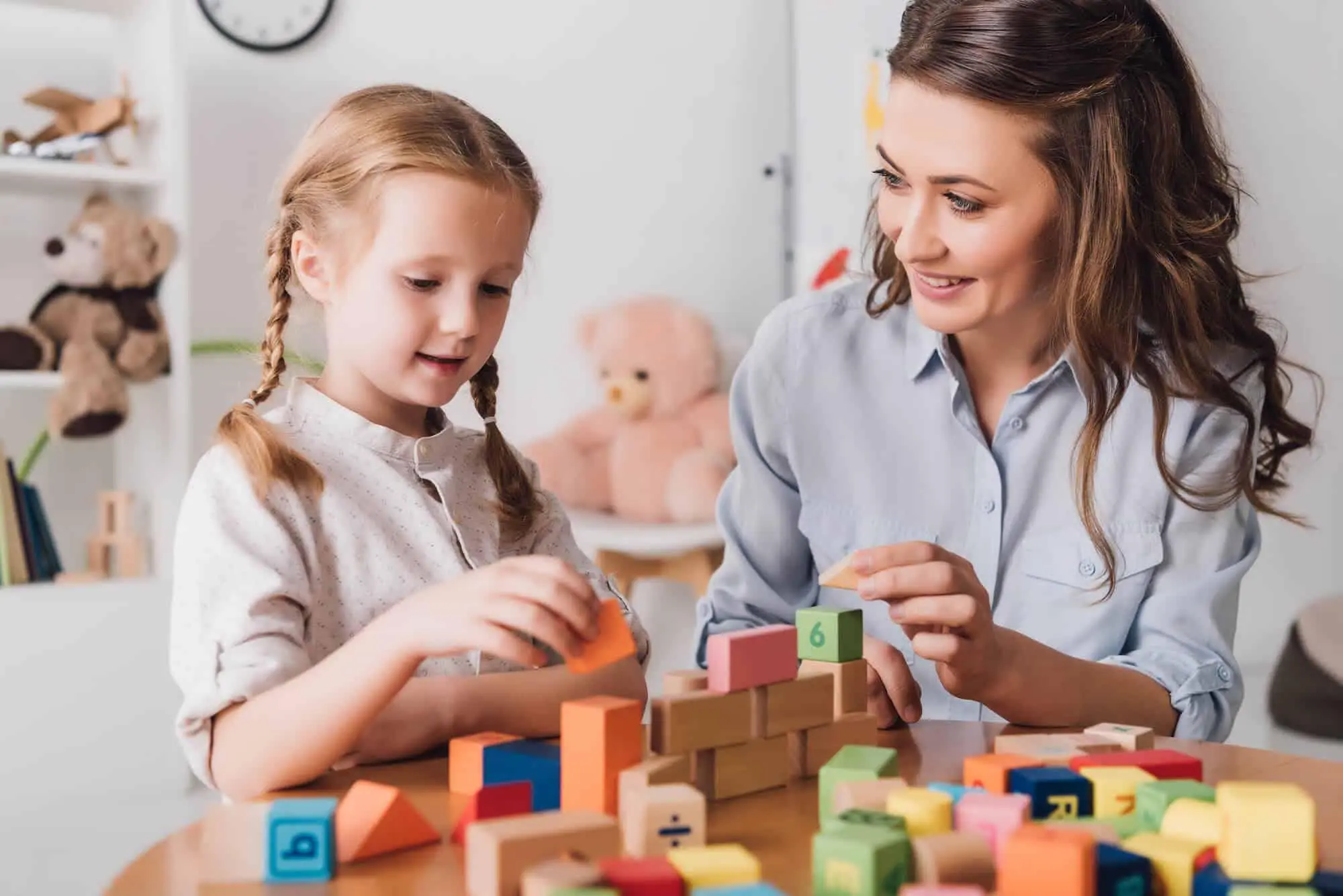
The child therapist provides an environment that encourages children to discuss their issues freely without any pressure. The way a child enters into therapy depends on various factors like his or her age and personality.
Therapy support can include:
Emotional management
Anger and frustration management
Management of anxiety and worries
Self-confidence and self-esteem development
Adaptation to school
Improvement of social relations
Improvement of communication skills
Adaption to family changes
Management of stress and emotional challenges
Children need to be heard and understood, and at the same time, learn some new skills.

Counseling for kids is supposed to be smooth and easy rather than a strict grown-up conversation. Children might need time to gain some confidence to open up about their inner world.
At EchoSoul, the process takes into account age, individuality, concerns, and needs of children. Counseling sessions can help children express themselves verbally and with the help of different age-appropriate activities.
The process will focus on:
Establishing a comfortable relationship
Understanding the concerns of the child
Examining the manifestations of feelings and behavior
Creating coping strategies
Encouraging appropriate communication
Building up self-confidence gradually
Children do not need to give perfect explanations right away. A supportive conversation can serve as the starting point.
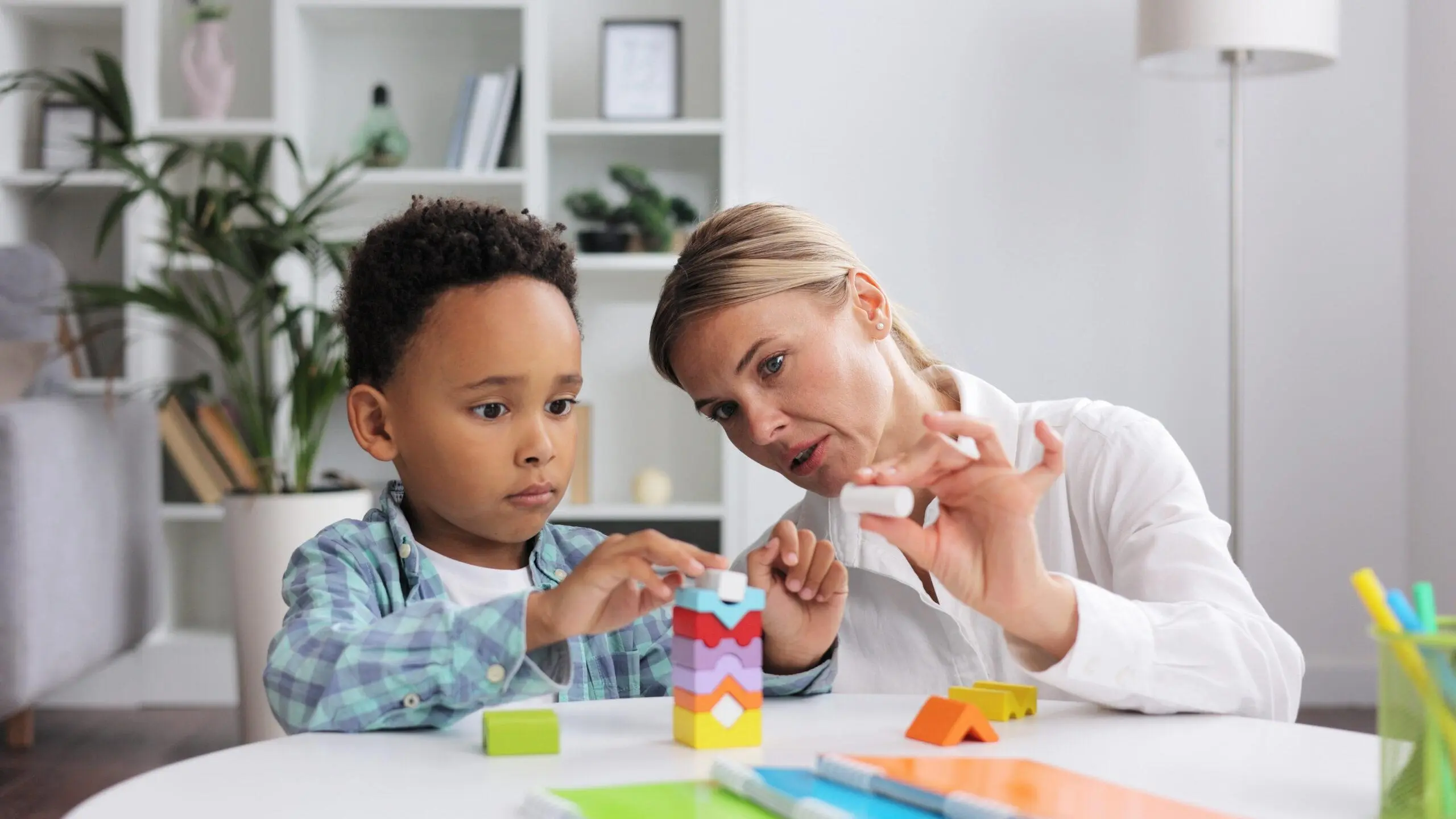
Everyone knows that every child has a distinct personality, a unique history, communication style, and emotional needs at EchoSoul, so we take into account individuality rather than using one treatment for all.
Treatment programs are tailored according to the concerns of the child, his age, requirements, and situation.
Children need to be comfortable in order to talk about difficult emotions or events in life.
Behavioral and emotional patterns are analyzed and realistic solutions to the problems are offered.
Parents become better informed about their child’s concerns and proper reaction at home.
It is easier for children and families to discuss sensitive topics in a respectful and confidential environment.
There is no need to allow a child's issues to worsen before seeking professional assistance. Any significant alteration in behavior, self-confidence, speaking skills, or mood may indicate that you should take action.
child counseling could prove beneficial if a child struggles with emotions, behavior, academic performance anxiety, interpersonal relations, self-confidence, or adjustment issues.
It is important to clarify that child counseling does not involve the diagnosis of a child but rather aims at understanding their experience and learning how to manage their condition.
Children play an important role in learning about how to deal with emotions, communication, self-confidence, and good habits. With proper assistance, children can realize that difficult emotions are something that can be understood and managed rather than ignored.